

Behavior
Why Do Cats Knead?

Jul
Cats are fascinating creatures, each with their unique behaviors that often leave us intrigued and curious. One such behavior is kneading (often referred to as making biscuits), where cats rhythmically push their paws in and out against a soft surface alternating between right and left limbs. Many theories exist that explain why cats knead. This blog will delve into what cats knead on, why they do so, and how you should handle this endearing yet sometimes perplexing behavior.

What Do Cats Knead On?
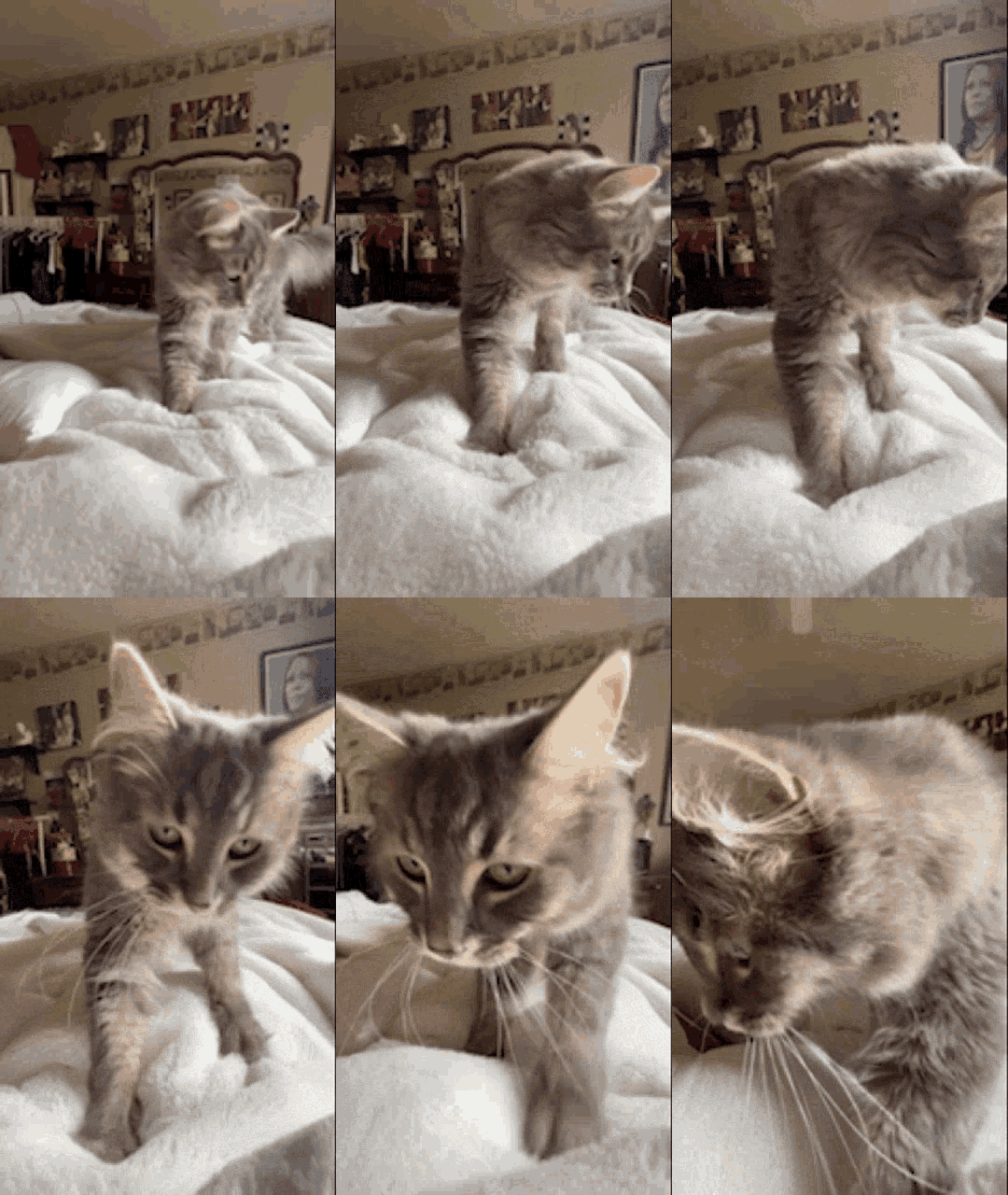
Cats have been observed to knead on a variety of surfaces, including:
1. Soft Textiles
- Blankets and Pillows: These provide a plush and yielding surface that cats find comfortable.
- Clothing: Cats may knead on their owner’s clothes, especially when sitting on their lap.
2. Humans
- Laps: If your cat sits on your lap, they might start kneading you. This is a sign of affection and comfort.
- Stomach and Chest: Cats often knead on their owner’s body, especially when cuddling.
3. Furniture
- Sofas and Cushions: Soft furnishings are ideal for cats to knead and mark with their scent.
- Beds: Cats often knead on their owner’s bed, preparing it as a comfortable spot to rest.
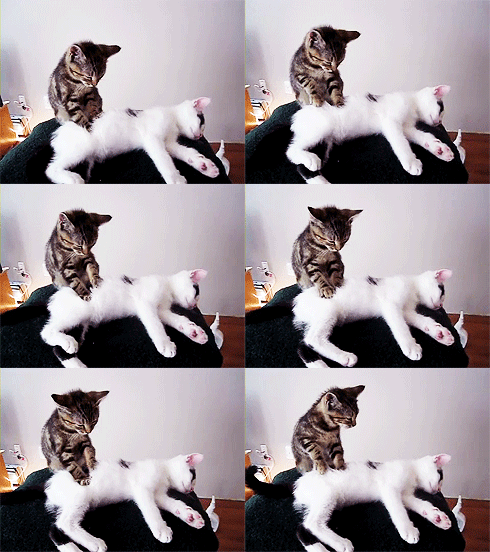
4. Other Pets
- Furry Friends: Some cats may knead on other pets they live with, such as dogs, as a sign of bonding and comfort.
Why Do Cats Knead?
While no one truly knows what it means when a cat kneads, there are a few theories suggested by cat behaviorists:
1. Instinctual Behavior from Kittenhood
- Nursing Reflex: Kittens knead their mother’s belly to stimulate milk flow while nursing. This comforting behavior often continues into adulthood.
2. Comfort and Relaxation
- Self-Soothing: The rhythmic motion of kneading helps cats relax and feel secure.
- Comfort Signal: Cats knead when they are in a safe and comfortable environment, showing they feel at ease.
3. Marking Territory
- Scent Glands: Cats have scent glands in their paws. Kneading releases their scent onto the surface, marking their territory.
- Claiming Ownership: When cats knead on you, they are marking you with their scent, showing affection and claiming you as their own.
4. Physical Exercise
- Stretching: Kneading helps cats stretch their muscles, particularly their paws and forelimbs.
- Flexibility: Regular kneading maintains muscle and tendon flexibility.
5. Preparing a Nest
- Nesting Instinct: In the wild, cats knead to create a soft, comfortable nest for sleeping or giving birth. Domestic cats continue this behavior to prepare a cozy resting spot.
6. Emotional Bonding
- Bonding with Humans: Kneading on humans is a sign of affection and trust. It indicates that the cat feels safe and loved.
- Expression of Love: Kneading is a way for cats to show their love and bond with their human companions.
How to Handle Cat Kneading
When your cat kneads you, it can sometimes be a little inconvenient or even painful, especially if your cat has sharp claws. If you believe, though, that your cat is doing this to show their love, the last thing you want to do is shoo them away.
Here’s how to turn the session into some quality time instead of an annoyance:
1. Keep Claws Trimmed
- Regular Trimming: Keep your cat’s claws trimmed to minimize discomfort or use silicone nail caps. If you’re unsure how to trim their claws, ask your veterinarian or a professional groomer for advice. Never declaw her.
2. Use a Blanket or Towel
- Barrier: Place a thick blanket or towel on your lap when your cat starts kneading. This protects your skin and makes the experience more comfortable for both of you.
3. Positive Reinforcement
- Encouragement: Praise your cat and give them gentle pets while they knead. This reinforces the behavior positively without discouraging their natural instincts.
4. Provide Alternative Kneading Spots
- Soft Surfaces: Provide your cat with plenty of soft surfaces like plush beds, pillows, and blankets to knead on.
- Designated Areas: Encourage your cat to knead in specific areas by placing their favorite soft items there.
5. Gentle Redirection
- Move Them Gently: If your cat’s kneading becomes too uncomfortable, gently pick them up and place them on a soft surface nearby.
- Distraction: Distract them with a toy or a treat to redirect their attention from kneading on you.
6. Understand and Appreciate
- Accept the Behavior: Understand that kneading is a natural and affectionate behavior. Appreciate it as a sign of your cat’s comfort and trust in you.
- Build Bonding: Use kneading time as an opportunity to bond with your cat. Pet them gently and speak softly to reinforce your connection.
Conclusion
Kneading is a natural, instinctive behavior in cats that serves multiple purposes, from expressing comfort and marking territory to bonding and self-soothing. By understanding why cats knead and learning how to handle it, you can ensure a comfortable and positive experience for both you and your feline friend. Embrace this endearing behavior as a sign of trust and affection, and use it to strengthen your bond with your cat.
Liked what you read? Share us on: